
How to Become a Copywriter in 2026: Advice from Real Working Copywriters

Post updated: 05.01.2016.
With remote work firmly cemented across digital industries, AI writing tools everywhere, and a growing demand for strategic messaging, the appeal of writing for a living is stronger than ever.
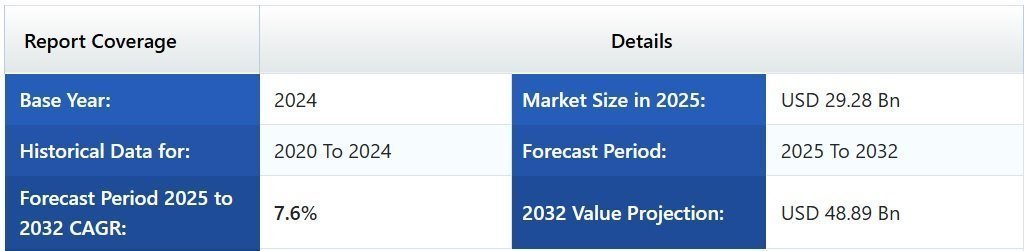
According to a recent forecast from Coherent Market Insights, the copywriting services market is estimated to surge from US$ 29.28 billion in 2025 to US$ 428.89 billion by 2032 at a compound annual growth rate (CAGR) of 7.6%.
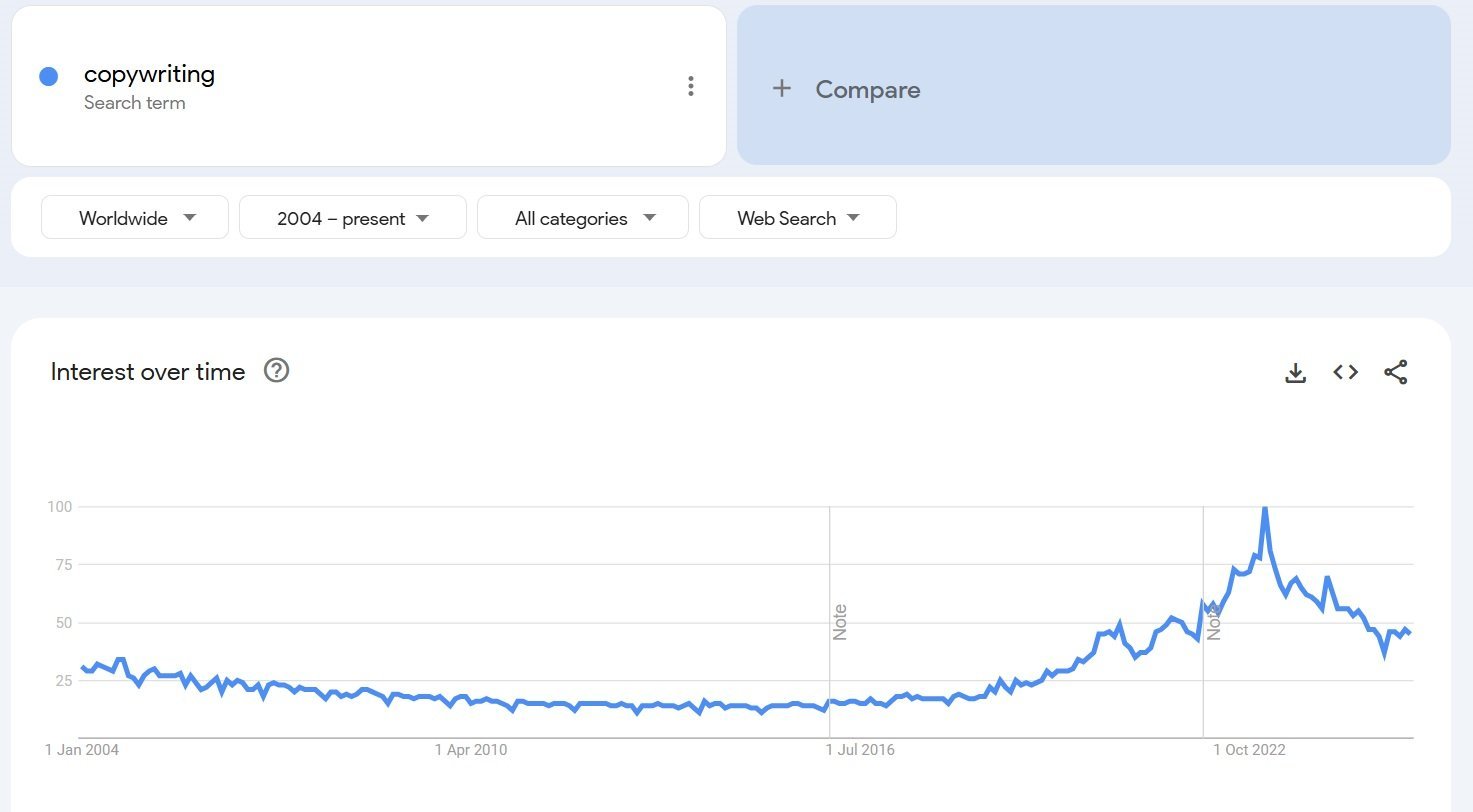
Indeed, search interest in copywriting has surged in recent years, driven by a growing demand for sharper brand messaging, and writers who are able to think strategically.
 And unlike many professional paths, breaking into copywriting doesn’t require a degree, or years of unpaid experience. It’s one of the few careers where your ability to do the job matters far more than your credentials.
And of course, with a rise in interest comes a flood of advice. Some helpful, some outdated, some written by people who’ve never actually worked as a copywriter. So, that’s why I (Jamie), have written this guide: to give you a grounded, up-to-date roadmap for how to become a copywriter today, especially if you have no experience, and aren’t sure where to begin.
I’ve been a full-time freelance copywriter for over a decade. I’ve worked with clients in every sector from SaaS to higher education, built a website that brings in work consistently, and developed both free and paid courses to help new writers get started. So, everything in this guide comes from real-world experience, not just theory.
I’m also aware that being the sole writer of this guide would present a limited view of how to become a copywriter in 2025. So, I’ve asked other working copywriters to contribute their personal insights as well…
Meet The Copywriters

Luke Jones
Luke Jones is a freelance copywriter and movement coach who helps health & fitness brands bring meaningful ideas to life through clear, intentional content.

Mary Diaz
Mary Diaz is a copywriter, writing coach, and the founder of Clotho House. She’s spent over a decade writing for founders, educators, and brand architects whose work defies traditional marketing formulas.

Joshua Pearson
Joshua Pearson has a background in copywriting, is the founder of Peaco Marketing, and is the agency’s SEO specialist. He has been working in marketing for over 10 years, working on projects he loves.

Alice Xerri
Alice Xerri is a copywriter who helps finance, SaaS, and other complex industries turn jargon-filled messaging into clear, confident content. Through her business, AX Content, she partners with brands that need to get it right.

Oli Lynch
Oli Lynch is an experienced copywriter, SEO content strategist, and marketer. He specialises in organic traffic growth, cross-platform content strategies and engaging and no-nonsense written content.

Adrienne Hardwick
Adrienne Hardwick is a copywriter with over a decade of experience. She eats, sleeps, and breathes copy. She’s passionate about her work, and it shows in every word she writes.
Tip: This is a fairly lengthy post, so you might want to sit down and grab yourself a coffee…or a whisky (you want to become a copywriter, right?). You might also want to add it to your bookmarks so you can refer to it again in the future.
Okay, let’s begin with what the job actually involves…
Contents
What Is a Copywriter?
Why Choose Copywriting as a Career?
Essential Skills for Aspiring Copywriters
The Many Paths to Becoming a Copywriter
Becoming a Copywriter Without a Degree
Starting With No Experience
Specialising in a Niche
Building a Copywriting Portfolio
Launching Your Freelance Copywriting Career
Advancing Your Copywriting Career
Resources and Further Reading
Final Words of Wisdom: Start Before You Feel Ready
What Is a Copywriter?
A copywriter is someone who writes to persuade. While content writers focus on informing or entertaining, copywriters write with a purpose: to encourage action. That action might be clicking a button, filling out a form, buying a product, or booking a service.
Copywriting is visible everywhere. It’s on websites, in email campaigns, product pages, landing pages, ads, social posts, and even video scripts. If a business needs to convert attention into sales, they need a copywriter (whether they call it that or not).
And while the term sometimes overlaps with other roles (like content strategist, UX writer, or brand storyteller), the common thread is intent. Copy has a job to do. That’s why good copywriting combines creativity with commercial thinking. It’s less about writing beautiful, flowery sentences à la James Joyce, and more about writing clearly and persuasively.
If you’re someone who enjoys words but also likes thinking strategically (about how messaging works, what motivates people, and how to make something more effective), copywriting could be a good fit for you.
Why Choose Copywriting as a Career?
There are plenty of reasons that copywriting appeals to people in 2025, but a few stand out:
It Can Provide Flexibility and Freedom
Freelance copywriting can be done from anywhere with a laptop and Wi-Fi. It’s an ideal career if you want to work remotely, manage your own time, or build something on the side while working another job. Even in-house roles are remote-friendly nowadays.
It Has a Low Barrier to Entry
You don’t need a degree, formal training, or industry connections to get started. If you can write clearly, think commercially, and demonstrate value, you can get work. (That said, learning how to present yourself is just as important, which we’ll cover later).
A Wide Range of Opportunities
Copywriting spans every industry from technology, to education, healthcare, fashion, and finance. Every business needs words that convert. This gives you the freedom to specialise, to change direction, and to find clients that align with your interests.
There’s High Demand for Human Writing
AI tools like ChatGPT are changing the landscape. But they haven’t replaced copywriters. Instead, they’ve raised the bar. Brands are now looking for writers who can bring strategic thinking, tone of voice, and emotional intelligence to the table. If you know how to work with AI rather than compete against it, you’re in a strong position. Here’s what a report from the Oxford Internet Institute has to say about it:
“AI-exposed occupations are more likely to emphasize requirements for social, analytical, and digital skills—consistent with the complementarity between AI technologies and these human-centric capabilities.” (Qiu, Raj, Brynjolfsson, 2024).
Couldn’t have said it better myself.
Mary says: ‘‘We’re seeing a revolution in what copywriting asks of us. Everyone’s afraid AI is going to swallow the whole industry…but the way I see it, this shift is demanding we become even more human. Good copy isn’t just wordcraft, it’s attunement.’’
Commercial Value Means Better Pay
Good copy directly affects a company’s bottom line. This makes it easier to charge based on the value you provide, not just the hours you work. And unlike many creative careers, copywriting can be genuinely lucrative when approached as a business.
According to the ProCopywriters 2024 Industry Survey, the average gross income for a copywriter in 2023 was £41,000–£55,000. As a point of comparison, the average UK salary was £34,963.
In the U.S., the average income for a copywriter in 2025 is USD$67,458 (£49,806), and in Australia, it’s AUD$72,000 (£46,692).
Interestingly, in 2022, The Copywriter Club surveyed 200 international copywriters, and found that the average income was USD$62,672 (£46,278), excluding one copywriter who reported earning USD$3.7 million (£2.7 million).

Essential Skills for Aspiring Copywriters
You don’t need to be a literary genius to become a copywriter, but there are certain skills that will set you up for success, especially in today’s market.
Clear, Persuasive Writing
At its core, copywriting is about clarity. You need to get a message across quickly and convincingly. This means being able to structure ideas logically, cut unnecessary fluff, and write in a way that sounds natural to the reader.
Strategic Thinking
Copywriting is about understanding the why behind word choice and structure. As a copywriter, you’ll likely be writing to a brief (or developing one yourself), so you need to think like a marketer and ask: What’s the goal here? Who’s reading this? What objections might they have?
As a sidenote, I have a free copywriting course all about thinking like a strategic copywriter.
Research and Adaptability
Copywriters write for different industries, audiences, and formats. So, you need to have strong research skills, be able to adapt your tone, and switch between different styles. One day you might be writing for a luxury watch brand, the next, a B2B SaaS platform.
Basic SEO Knowledge
In 2025, SEO is still a core skill – but it’s evolved. What matters now is user intent, helpful content, and how your writing aligns with Google’s EEAT (Experience, Expertise, Authoritativeness, Trustworthiness) principles.
In fact, according to the ProCopywriters’ 2024 Industry Survey, 26% of copywriters invested in SEO over the past 12 months, showing that many writers now see search visibility as part of their skillset and not just an add-on.
 AI-written content is everywhere, and Google is getting better at detecting and demoting content that’s thin, generic, or lacks a human touch. So, your ability to demonstrate real insight and write with clarity and authority matters more than ever.
Knowing how to prompt AI tools, edit AI drafts, and add your own voice and value is becoming part of the skillset too. If you can combine speed with substance, you’ll be ahead of the curve.
Point to note: Rather than replacing writers, AI has made soft skills and digital awareness more valuable. If you can combine strong writing with strategic thinking and emotional intelligence, you’re far more likely to stand out.
Communication and Professionalism
You’ll often work directly with clients, which means responding to briefs, managing feedback, and delivering work on time. I can honestly (and proudly) say that in my 17+ years of copywriting, I’ve never missed a deadline. Being professional goes a long way, especially when clients are choosing between a seasoned freelancer and someone just starting out.
Alice says: “One of the most underrated skills in this job? Translating complexity into clarity. I write for industries where accuracy isn’t optional, and the goal isn’t to ‘sound creative,’ it’s to be understood. A lot of new writers overlook that good copywriting is about knowing what needs to be said, and saying it in a way that gets past both compliance and confusion.”
The Many Paths to Becoming a Copywriter
There’s no single route into copywriting. Some people study marketing or English at university (I studied English and French), others fall into it from journalism (as I did), PR, or content roles. But more and more, people are taking alternative paths, learning the craft independently and building experience as they go.
Do You Need a Degree?
No, you don’t. Although having a degree in English, journalism, or marketing can help, it’s not essential. Most clients won’t ask for your qualifications, they’ll want to see how you write, how you think, and how your work performs.
In fact, some of the best copywriters I know don’t have degrees at all. What they do have is a solid portfolio and a strong grasp of what makes copy work.
So, if you’re wondering “Can you become a copywriter without a degree?”, the answer is a confident yes.
Learn by Doing (With Guidance)
You don’t need to go it alone. There are online courses, books, and communities that can accelerate your learning.
I offer a free copywriting course via email that covers the strategy of copywriting, as well as a paid course that’s more hands-on and focuses on technique.
Self-study is key, but the right structure can speed things up, especially when you’re trying to separate good advice from noise.
 Read Like a Copywriter
Copywriting has a long lineage. Reading ads, emails, and landing pages with a critical eye will help you develop your instincts.
Ask yourself: What’s the goal here? Why does this work (or not work)? How would I improve it?
Many of the principles haven’t changed much since the early 1900s (John E. Kennedy anyone?), but the formats have. Today, it’s not just about long-form sales pages written for print, it’s also about online user journeys, microcopy, and click-through rates.
Becoming a Copywriter Without a Degree
Let’s be clear – you don’t need a degree to become a successful copywriter. Not in the UK, not in 2025, and certainly not in the freelance world.
Clients care about outcomes, not credentials. If your writing can generate interest, clicks, signups and sales, they won’t ask where you studied. They’ll want to know if you can do the job.
Here’s how Luke went about becoming a copywriting without a writing-related degree: “I didn’t have a formal writing background or a journalism degree when I started freelancing. What I did have was curiosity, plenty of stubbornness, and a willingness to learn on the go.
After uni, in the midst of some health challenges, I started my own copywriting blog to share insights from my fitness background and what I was learning on my recovery journey. That site became my testing ground. I used it to experiment, figure out my voice, and get comfortable writing publicly. From there, I built a small portfolio with my own blog posts and guest articles, which helped me hone my skills, make connections, and eventually, start landing more steady paid work.”
How to Prove Yourself Without Qualifications
If you’re not leaning on a degree, you’ll need to demonstrate your skills another way. You can do this by showing:
- You understand what copywriting is (and what it isn’t).
- You can write clearly and persuasively.
- You know how to follow a brief.
- You’ve got some examples of work, even if they’re self-initiated.
We’ll cover how to build a portfolio shortly, but for now, it’s worth knowing that plenty of clients (and creative agencies) will give you a shot based on a few strong samples, especially if you’re confident, communicative, and clear about the value you bring.
You don’t need permission to get started. You need momentum.
Starting With No Experience
This is where most people get stuck. They read about copywriting, maybe take a course, maybe write a few practice pieces, but they haven’t worked with any clients yet.
So, how do you get that first bit of real experience? (Hint: it doesn’t involve offering to work for free).
Alice says: “My first freelance gigs came through copywriting and web agencies. I was writing web copy and blog content for their clients. It didn’t pay well (lesson learned), but it gave me the hands-on experience with real briefs, real feedback, and real deadlines. That early exposure helped me figure out what I liked writing, and what I’d definitely charge more for next time.”
Offer Value in Exchange
Look for ways to create a fair value exchange. You could offer to write for a small business at a discounted rate, or in return for a testimonial or case study. This gives you something tangible to show future clients and a way to start building your reputation.
If someone you know runs a business (a friend, family member, or former colleague), offer to improve a piece of writing for them. It could be a homepage rewrite, a product description refresh, or a short email sequence.
This way, you’ll get practice writing for real people, and you’ll start to see how your words affect outcomes, which is what copywriting is really about.
Top tip: When entering into this kind of exchange, treat the project as if it was a fully paid assignment. Communicate professionally, ask questions to form a brief, keep to deadlines, and take feedback on board.
Build a Starter Portfolio
Even if you haven’t had paid work, you can still create a portfolio. Write sample pieces based on fictional briefs or rewrite existing web copy with your own spin. Treat it like a mini case study: explain the brief, what you did, and why.
A portfolio doesn’t need to be perfect. It just needs to show that you understand how to write persuasively and think commercially (here’s what my portfolio looks like).
The key is this: don’t wait until you feel “ready” to write copy. Create a few strong samples and build from there.
Set Up a Website Early
One of the best moves you can make right from the beginning is to build your own website. If you’re serious about becoming a copywriter, you’re going to need one.
It doesn’t have to be fancy. A single page with your services, a short bio, some writing samples, and a way to contact you is enough to get you started. As time goes on, you can start adding service pages, case studies, blog articles etc.
When clients see you have a website, it improves their perception of you. The truth is, anyone can write an email from a Gmail account and send a link to a Drive folder. But setting up a website sets new copywriters apart. It shows that they’re invested in their business and that they have skin in the game.
Of course, platforms like LinkedIn and Upwork can help you get visible (and they might bring in some work), but you don’t control them. I’ve seen people build whole businesses on social media platforms only to lose access, or see their reach vanish overnight.
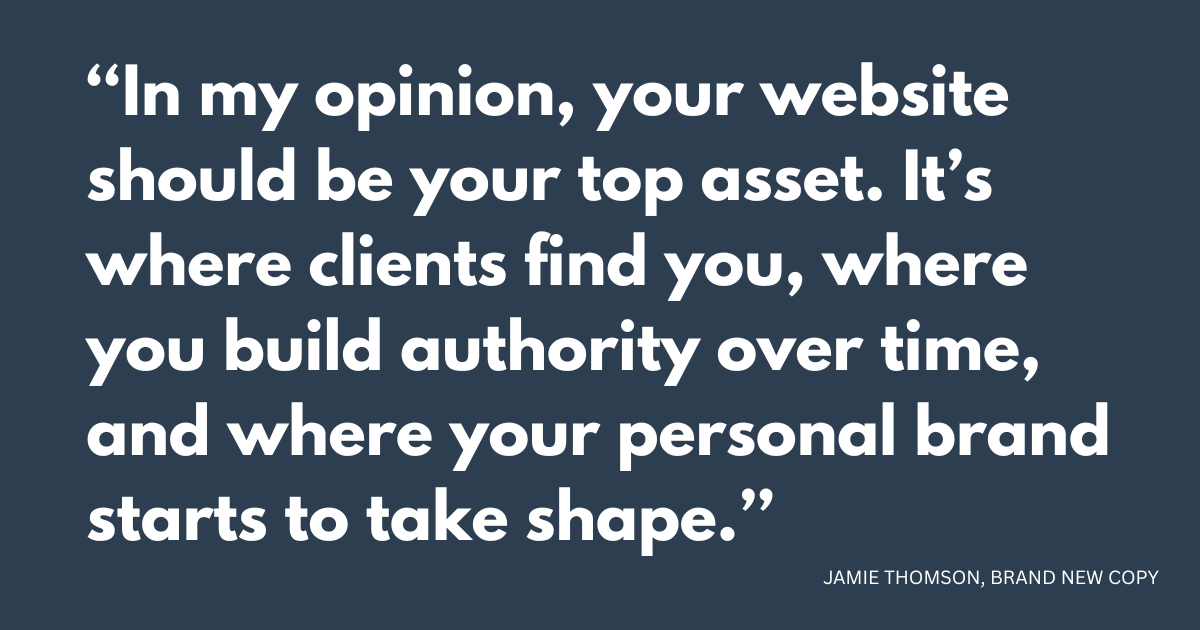
In my opinion, your website should be your top asset. It’s where clients find you, where you build authority over time, and where your personal brand starts to take shape.
Oli says, “One of the best ways I’ve built up my experience and gotten additional experience, for example with SEO or website management, has been through managing a portfolio of my own sites. In the early days I had a travel blog that got some good traction and taught me a lot about creating content. Over time, I built up a portfolio of websites in several niches, which also earned me money though guest posts, affiliate revenue, and even a few freebies. I also got clients through these sites – although I’m not sure how effective this would be in 2025. I’d say this is one of the best ways to hone your content skills though.”
Sidenote: Personally, I don’t rely much on LinkedIn to find work – it’s never really suited me, and I’ve found more consistent success through my own website, focusing on inbound marketing. That said, I know copywriters who make it work well, so it’s worth experimenting with, as long as it’s not your only channel.
 A Note on Unpaid Internships
Some companies advertise unpaid copywriting internships. Be cautious here. These arrangements can be exploitative, and often you’ll do more admin than actual writing. If you’re offering your time, make sure you’re getting something valuable in return, like mentorship, feedback, real writing credits, or of course, actual money.
Specialising in a Niche
When you’re starting out, it can feel counterintuitive to narrow your focus. Surely, it’s better to offer your services to as many clients as possible?
In practice, specialising makes you more appealing, not less. It’s easier to market yourself, easier to build credibility, and easier to charge higher rates because you’re seen as someone who understands the specific challenges and language of that industry.
Luke shares his experience of finding a niche: “When I started freelancing, I took on a mix of projects to build my skills and pay the bills. But I soon niched down into the health and fitness space. I think having real-world experience as a Personal Trainer and Nutritionist helped me out a fair bit. I’d seen firsthand the common struggles people were experiencing, so when it came to writing content, I had a good sense of what might be useful.
Why Choose a Niche?
Clients are always looking for more than just good writing, they want someone who gets their world. If you can speak their language and show that you understand their audience, you’ll instantly stand out from generalists.
You’ll also be able to reuse structures, research, case studies, and writing samples across similar projects, which saves you time and deepens your expertise.
How to Pick a Niche
Start with what you already know. Have you worked in a particular sector before? Do you have experience in education, tech, hospitality, finance, health, or travel? These are all viable niches.
If not, look at what interests you. What kind of businesses would you enjoy working with? What types of brands do you follow? It’s easier to write persuasively when you’re naturally curious about the subject.
Adrienne adds: ‘‘Your readers can feel your passion, and that’s why it’s important you choose a niche that not only lights that fire within you, but makes you excited. When your audience is reading your copy, you want them to hit those links and CTAs in record time. If you’re not passionate, they’re going to feel it, and you’ll have far fewer leads and interactions as a result.’’
To cite the ProCopywriters Survey again: 66% of copywriters specialise in the business-to-business (B2B) sector; 32% focus on business-to-consumer (B2C); 26% on Science and Technology; 24% on Business, Finance, and Law; and 18% on Sport, Travel, and Leisure.
That said, your first niche doesn’t have to be your forever niche. It’s a starting point to focus your outreach and shape your website, rather than a lifelong commitment.
Building a Copywriting Portfolio
Your portfolio is often the deciding factor in whether someone hires you. It’s how you demonstrate your skills, your style, and your understanding of what makes copy effective.
The good news is that you don’t need a long list of client names to create a strong portfolio. What matters most is how you present your work.
What to Include
A basic copywriting portfolio should show:
- A variety of formats (e.g. web copy, product descriptions, email sequences).
- A clear explanation of the brief or goal.
- The final piece of copy (ideally shown in situ).
- A short breakdown of your thinking or approach.
- Any results or outcomes, if available.
If you don’t have client work yet, use practice pieces or passion projects. Write a homepage for a made-up business. Rewrite the copy for a product you like. Treat it like a real job, and walk through your process.
Josh says: “Getting started with freelance copywriting came from my own work before anything else. I was able to contribute freely to local business magazines and blogs, but also guest post in some places, and use Medium, LinkedIn and numerous other platforms, all to help show my versatility and style.’’
Presentation Matters
Your work should be easy to navigate. Avoid uploading PDFs or cluttered files. Use your website to host your samples, whether on a dedicated portfolio page (here’s mine again), blog posts (like this one), or individual project breakdowns (like this).
A simple format like this works well:
- Title of the piece
- Short introduction (What was the goal? Who was it for?)
- The copy itself
- Optional commentary on choices/results
Remember: The goal isn’t to show that you can write, it’s to show that you can solve problems and think commercially.
Testimonials and Social Proof
Even one or two testimonials can go a long way. If you’ve done a value exchange project (say, for a local business or someone you know), ask them to write a short comment on what it was like working with you. These add credibility and make you more relatable to prospective clients.
Here’s how I present testimonials on my own website.
Launching Your Freelance Copywriting Career
Once you’ve got a few samples under your belt and your website is live, you’re ready to start looking for paying clients. This is the part most new copywriters worry about, and understandably so.
The idea of “finding clients” can feel overwhelming, especially when you’re up against established freelancers and AI-generated content.
But here’s the truth: there are always businesses looking for good copy. The real challenge is getting in front of them in a way that feels natural and sustainable.
Important: Before we go any further, it’s worth saying that finding clients is a big enough topic to warrant its own dedicated guide. What follows is an overview, but if this is where you’re stuck, know that you’re not alone, and there is a process you can follow.
Why Job Boards and Marketplaces Mostly Disappoint
You might be tempted to start looking for clients on job boards like PeoplePerHour, Fiverr, or Upwork. But in most cases, they’re a race to the bottom. You’ll be bidding against hundreds of other writers, many working for unsustainable rates, often in a rush to churn out volume.
Adrienne shares her experience: ‘‘I used PeoplePerHour (PPH) to launch my career. At the time, it seemed like a good move for me because I was completely new to the industry and I had no idea what I was supposed to do or what was expected of me. I found some great customers through it, some of which I still work with today outside of the platform, but 85% of it was a negative experience for me.’’
Indeed, these platforms rarely reward quality or original thinking. Clients often submit vague briefs, expect quick turnarounds, and treat writing as a commodity. It’s not the best environment to grow in – either creatively or commercially.
That’s not to say you can’t land decent work there. But it’s usually a short-term fix, not a long-term strategy. If you want to build a career with control, pricing power, and creative freedom, you’ll need to take a different route.
Which is why…
Your Website Matters More Than Ever
Your website is the one platform you fully control. It’s where you showcase your work, communicate your value, and attract clients who are actively looking to work with someone like you.
It doesn’t have to rank on page one of Google straight away. But over time, through SEO, case studies, testimonials, and strategic content, it becomes your best long-term asset. Clients will find you through search, referrals, and shared links. Some might sit on the fence for months before reaching out, but when they do, they’ll often be warm leads who already trust your approach.
Think of your website as your shop window. The more intentional you are about what’s on display, the more likely the right clients will walk through the door.
Using Other Platforms (With Care)
LinkedIn can be helpful, especially for connecting with in-house marketers or agency owners. But don’t make it your only source of work.
Rather than building your entire presence on someone else’s platform, use these websites to point people back to your site.
That way, even if the algorithm changes or the platform fades, your core asset remains untouched.
Here’s Oli’s take: “Reddit can be a gold mine, especially in the less obvious channels such as SaaS or small business subs. Competition can be fierce though, but I have both found good quality writers and jobs on various Reddit boards. Like any platform though you do need to be careful and watch out for shysters and general scams.”
Outreach and Relationship-Building
When you’re starting out, the easiest wins often come from people you already know. Reach out to friends, former colleagues, or anyone you’ve worked with in other contexts. Let them know what you’re doing. Ask if they, or someone they know, might need copy help.
This isn’t about cold pitching strangers with generic emails. It’s about tapping into your existing network and showing how you can help.
As you grow, relationships become your strongest marketing asset. One good client can lead to a long-term retainer, a referral, or a glowing testimonial that attracts more business. Keep delivering value, and word will quickly spread.
 Charge Realistic Rates (and Be Ready to Adjust Them)
Pricing is tricky when you’re new. You don’t want to overcharge before you’re ready, but you also don’t want to set yourself up for burnout with unsustainable rates.
Instead of hourly pricing, try project-based or day rates. This helps you communicate value more clearly and protects you from scope creep.
As your confidence and portfolio grow, revisit your pricing regularly. If you’re getting yeses too quickly, it’s probably time to raise your rates.
Alice says: “Some of my best early leads (and current leads) came from just…talking to people. Not pitching, not cold DMing, just letting people in my network know what I did. I’ve had ex-colleagues introduce me to agencies, friends tagging me in LinkedIn posts looking for freelancers. And every time I wrapped up a job, I make sure to ask: ‘Know anyone else who needs content support?’ Freelancing is unpredictable, but one thing’s consistent: people hire the copywriter who’s top of mind. So don’t go quiet. Keep showing up.”
Advancing Your Copywriting Career
Once you’ve landed a few clients and you’re delivering strong work, the goal becomes sustainability. How do you turn occasional projects into consistent income? How do you keep developing your skills without burning out?
Here’s how to build on your early momentum.
Keep Refining Your Craft
Copywriting trends change. Platforms change. Attention spans change. But the principles of persuasion stay the same. To stay relevant, you’ll need to keep your skills sharp, both in how you write and how you think.
Adrienne says: ‘‘One thing I always keep in the back of my head is that I’m never going to be the best at what I do. There is always someone who is going to have slightly more knowledge, experience, and skill than I do. That’s not a negative, it’s a reminder that we are constantly learning and we always have room to improve ourselves and our work.’’
To stay ahead of the game, you need to continuously study great copy, test new formats, and analyse what’s working in your own writing. If a client project gets unusually high engagement, figure out why. If a landing page underperforms, review it critically. The learning is in the feedback.
A strong grasp of emotional intelligence, user behaviour, and buyer psychology will help you evolve beyond just a “writer” into someone who can influence business outcomes.
Here’s Mary’s thoughts on how to move beyond task-based writing: ‘‘Don’t rely too heavily on traditional marketing formulas. Most copywriting formulas (AIDA, PAS) were developed during the industrial revolution – more than 120 years ago, when advertising was new and novel. Today’s savvy consumers have been marketed to their entire lives. They can spot manipulation instantly.’’
Stay Informed on AI and Automation
As AI continues to transform how content is created, smart copywriters are positioning themselves not as competitors to AI, but as editors, curators, and strategists.
Knowing how to use tools like ChatGPT for research, ideation, or early drafts can improve your speed. However, the value still lies in your human judgment, creativity, and ability to craft tone of voice.
“Josh adds: ‘‘This is something that is more important than ever before. As AI becomes more and more common and prevalent, it’s emotion and writing styles that will really stand out from the crowd and become more valuable than they ever have been.”
Good call. The more you understand what AI can (and can’t) do, the more valuable you become.
Build Deeper Client Relationships
Long-term clients are the foundation of a stable freelance career. If someone’s happy with your work, be sure to keep the door open. Suggest ongoing support, content calendars, retainer arrangements, or conversion-focused audits. Many businesses don’t know they need more copy until you point it out.
Relationships also lead to referrals, which is one of the most reliable ways to grow your income without chasing leads.
Oli says: “During my career, most of my best paying writing roles have come through referrals from past clients or friends. Keeping good relationships with your employers and clients goes a long way. You never know where your next role will come from”
Mary recalls a similar experience: ‘‘Client relationships were the foundation of my early work. Within 3 months of starting my business, I filled my books with 5 figure copywriting packages simply from word of mouth. Clients loved the work and told their friends…cannot overstate the importance of creating and maintaining relationships. Especially when you really get to know the ins and outs of a brand or platform, you stand to become a very valuable asset.’’
Explore Different Business Models
You might start out doing one-off projects, but over time you can expand into:
- Monthly retainers
- Strategy and consulting
- Training and workshops
- Productised services
- Selling digital products or courses
For example, after years of freelance work, I created both a free course for beginners and a paid course that walks you through the core commercial skills needed to succeed as a freelance copywriter. Creating educational products like these can be a great way to diversify your income and help others get started too.
Josh says: “Before I started running Peaco Marketing, white labelling was a great way for me to expand my content and copy skills and build relationships at the same time. Working with marketing agencies, especially on a monthly retainer, is what really helped me to iron out a formal process of how things work, what things need to be charged at to be feasible, and generally to get a feel for both agency and freelance working styles.”
Consider In-House or Agency Work
If freelancing doesn’t suit you long-term, there are plenty of in-house roles that value strong copywriters, especially those who understand digital channels.
Likewise, creative agencies are often on the lookout for reliable freelancers to plug into client projects. If you enjoy teamwork and faster-paced environments, this route can be rewarding.
The key is knowing what kind of work style suits you. Freelancing offers flexibility and autonomy, but it also comes with unpredictability. There’s no shame in moving between models as your life or priorities shift.
A Note on Self-Care and Avoiding Burnout
Building a copywriting career takes persistence. Early on, it can feel like there’s always more to do, more to learn, more to write, more to promote. But if you’re constantly pushing without taking a step back, it’s easy to lose the objectivity that good writing needs.
It’s worth remembering that consistency matters more than intensity. A well-structured work week with clear boundaries will take you further than all-night writing sessions fuelled by anxiety and ambition.
This is especially relevant if you’re working solo. Without colleagues or clients nearby, it’s easy to fall into the trap of being ‘always on’. Setting start and stop times, limiting social media during work hours, and creating a physical or mental ‘shut down’ routine can help you protect your focus.
I’ve experienced freelance copywriting burnout several times in my career and it took me a while to work out what the warning signs look like. For me, I know I’m about to burn out, when the work starts feeling mechanical. I start second-guessing everything I write, and even simple tasks feel disproportionately draining. My concentration dips, I lose interest in projects I was previously excited about, and I find myself working longer hours without actually getting more done.
The only way to break that cycle is to stop trying to push through it. When I recognise those signs creeping in, I give myself permission to pause, sometimes for a day, sometimes longer. Having space helps me reset and come back with a clearer head.
I also revisit my workload and strip it back to essentials. Sometimes this means saying no to smaller projects that don’t align with my future plans, or blocking out time in my calendar at the end of a big project.
Luke shares his experiences of copywriting burnout: ‘‘Even though I knew it wasn’t healthy to always be “on,” I used to push through, taking on more work and ignoring the signs of burnout. Eventually, my body said no, and I got pretty sick – again! This time I had to step away from work for a few years to recover. I’m currently in the process of rebuilding, but with a different foundation.
I’m prioritising rest, time outside, connection, and self-compassion – the things I used to overlook or squeeze in. It’s not perfect, but the creative process feels a little bit lighter these days. Self-doubt still shows up, but I’m finding it easier to navigate, and to create from a place of calm and self-care, rather than immense pressure.”
Resources and Further Reading
Whether you’re just starting out, or already picking up momentum, here are a few recommended resources to help you go deeper:
Copywriting Books
- Copywriting Made Simple by Tom Albrighton
- The Copywriting Sourcebook by Andy Maslen
- Content Design by Sarah Winters and Rachel Edwards
- Influence by Robert Cialdini
- The Elements of Style by E. B. White and William Strunk Jr. (Oli’s recommendation)
Note: These aren’t affiliate links, just my personal recommendations.
Copywriting Courses
- Think Like a Strategic Copywriter (FREE)
- The Strategic Copywriter’s Toolkit
- The Brand New Copywriting Course
- The Best Copywriting Courses in 2025
- The P7 Client Attraction System by The Copywriter Club
- The Copywriter Underground by The Copywriter Club
Remember, you don’t need to absorb everything all at once. Start with the basics. Keep writing. And focus on steady, consistent improvement.
Final Words of Wisdom: Start Before You Feel Ready
Most people don’t become copywriters by accident. They make a decision, learn as they go, and figure things out one project at a time.
It’s easy to feel like you need more experience, more confidence, more qualifications before you can call yourself a copywriter. But that moment of arrival never really comes (impostor syndrome exists even after 17+ years). The best thing you can do is begin.
Start writing. Put together a small portfolio. Build a simple website. Offer value where you can. Talk to people. Iterate. Adjust. Learn. Then do it all again.
Copywriting is a commercial craft that evolves with each brief, each client, and each piece of work you put out into the world. There’s always more to learn, but you don’t need to master everything before you begin. You just need to care about the outcome, think like a problem solver, and show up with purpose (and positivity).
Sidenote: Honestly, one of the best pieces of advice I received when I was starting out was: ‘‘Be nice. Nice people get more work’’. And it has stood me in good stead.
Whether you’re just exploring the idea, or ready to make a start, there are tools, resources, and communities to help you move forward, including my flagship course, which you can join to get structured, actionable guidance and support.
Whichever route you take, know this: there’s space for thoughtful, strategic copywriters in 2025. Especially those who write with clarity, empathy, and purpose.
Related posts:
